Radical, Principled, Absolute
On Julius Evola, wrong citations and a small nation by the cold North Sea

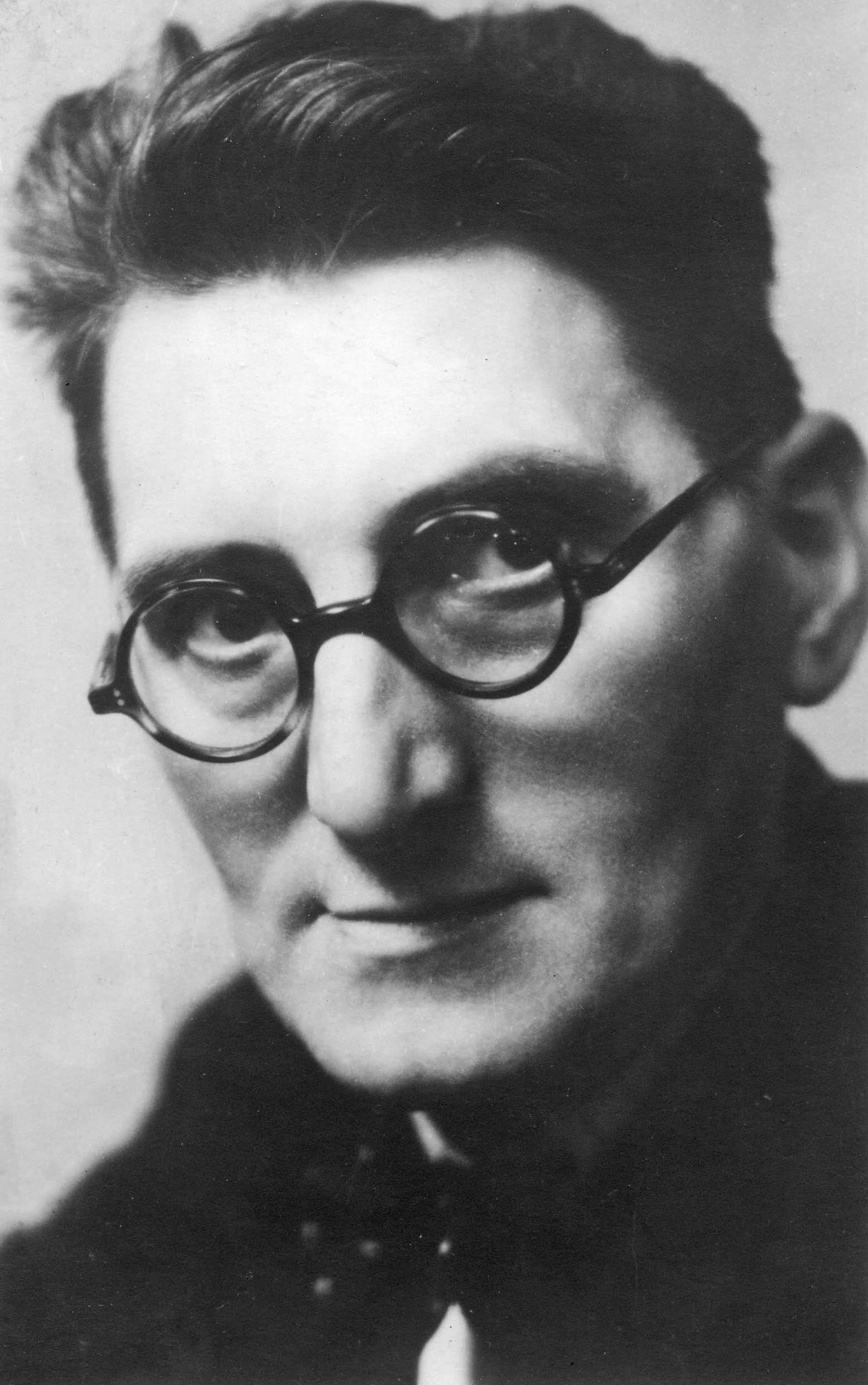
“Be radical, have principles, be absolute, be that which the bourgeoisie calls an extremist: give yourself without counting or calculating, don’t accept what they call ‘the reality of life’ and act in such a way that you won’t be accepted by that kind of ‘life’, never abandon the principle of struggle.”
Every nationalist and their mother knows this quote, as it has floated around on the internet ever since the world wide web was first conceived. This call to action is almost always attributed to Baron Julius Evola, an Italian artist, poet, philosopher and aristocrat who is lauded as one of the greatest thinkers the revolutionary right has to offer. I have read my fair share of his works, and though I do find him somewhat overrated and blown out of proportion, the effects he has had on the philosophical formation of many an activist and thinker cannot be understated. Evola has certainly earned his place in the pantheon of great men who paved the way for us. Despite this, his most famous quote — the one cited above — is actually not his at all.
Though falsely attributed, the quote certainly is Evolean in nature. The call to be radical, the rejection of bourgeois morality, struggle as an integral part of life: it surely sounds like something the good baron would write down. While many think it is a sentence from his 1934 work ‘Revolt Against the Modern World’, nobody can offer a page-number. The actual writer wasn’t a daring mountaineer from Italy, who dabbled in dark magic and held multiple lovers. No, the man who came up with this brilliant quote was a silent catholic man from Flanders, a little nation by the North Sea. A youth leader, a separatist: Ernest Van der Hallen.
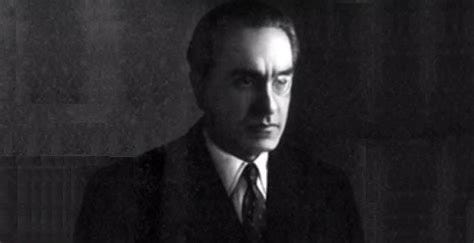
Van der Hallen was born in Lier on the 2nd of June 1898. At the time of his birth, the Flemish, a Dutch-speaking people and the majority population of Belgium, were repressed by the French speaking elites of the country. The Flemish movement at the time existed largely out of literary groups that tried to protect their language against French imperialism at all costs. That changed during World War One, when French-speaking officers refused to give orders in the language of their troops, with much confusion and many deaths as the result. Dutch was seen as a language for Germanic peasants, after all. During the very last attack on the German positions in 1918, the Belgian high command knowingly placed most leaders of the ‘Frontbeweging’ — Flemish nationalists active in the trenches — on the front lines, where most of them perished in the fire of no man’s land.
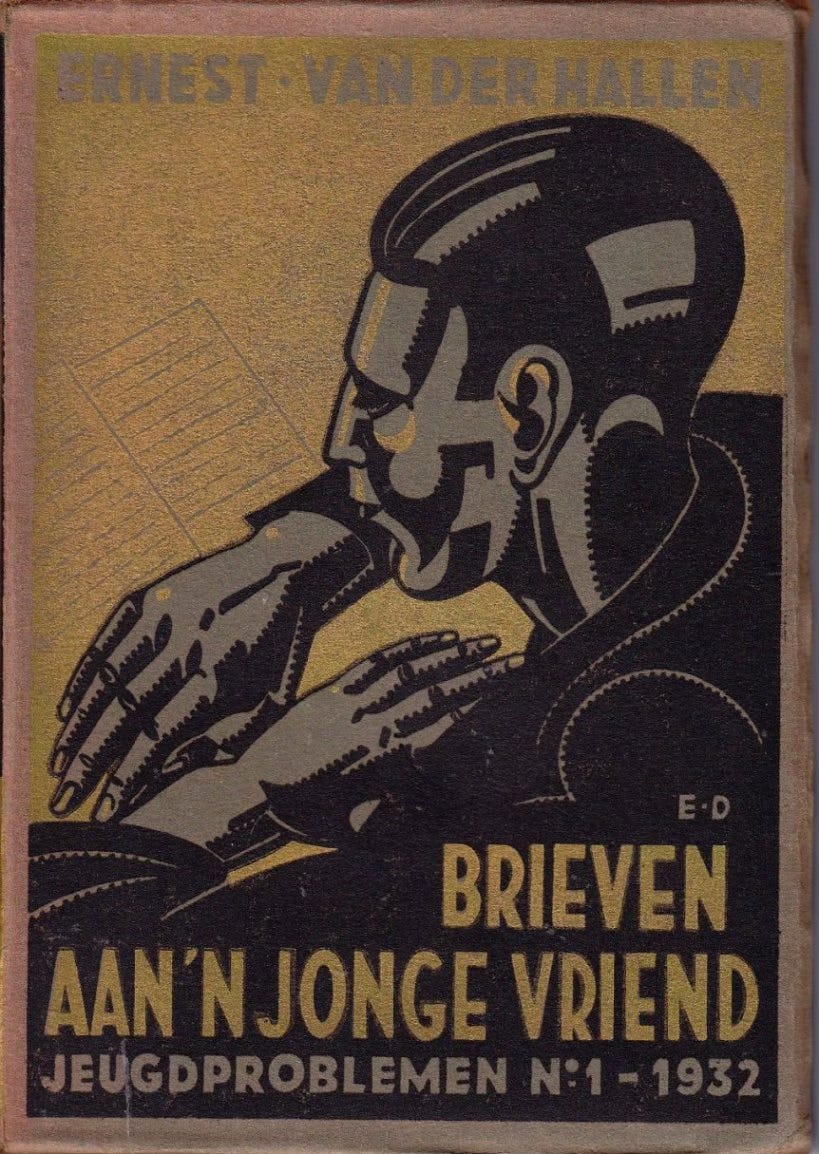
This radicalised the Flemish movement, and during the interwar period groups calling for secession popped up everywhere. Van der Hallen, who did not fight during the war but did actively support the Flemish activists, also turned from a romantic cultural patriot into a fervent separatist. Student movements were, as in many cases throughout history, the avant-garde of this new age. Throughout his entire life Van der Hallen supported these youth movements, and tried to instil in them a sense of ancient catholic camaraderie. This is why, in 1932 (two years before ‘Revolt Against the Modern World’ was released), he wrote a little book called ‘Brieven aan ‘n Jonge Vriend’ (Letters to a Young Friend). This is where the aforementioned endlessly repeated and misquoted citation actually comes from. In the original 1932 version we can find it in letter number six, on page 100.1
This short article was written to dispel a myth and to correctly acknowledge Ernest Van der Hallen as the conceiver of this radical parole, in the hopes of finally granting him his own place in our nationalist pantheon. Maybe I will write more on Van der Hallen, Evola or the Flemish movement in other articles, but let us at least conclude this one first.
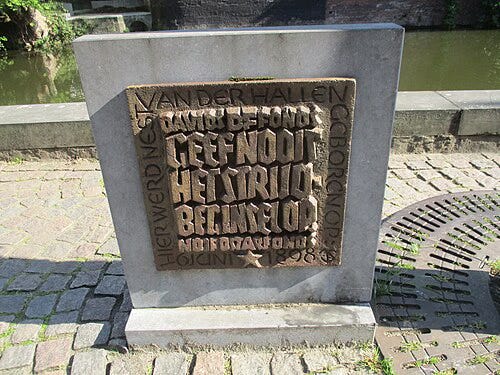
In Lier, where Van der Hallen lived and died, stands a memorial stone. On it is inscribed in big letters “geef nooit het strijdbeginsel op”: never abandon the principle of struggle.2 Whoever the writer and whatever the book, truer words I cannot think of. They rang true then as they ring true now. If every single one of us keeps this in mind, victory will inevitably be ours.
Van der Hallen, E. ‘Brieven aan ‘n Jonge Vriend’, Uitgeverij L.V. Tijl, Deurne. 1932.
Uytterhoeve, J. ‘Ernest Van der Hallen (1898-1948)’, Davidsfonds, Lier. 1998.
Never knew this!